

CardioGuard
A program to reduce your risk of heart attack, stroke, and other forms of cardiovascular disease.
Heart attacks are the result of decades of plaque building up silently in the arteries.
We must act early to slow atherosclerosis before it causes harm; rather than just hoping not to get chest pain.
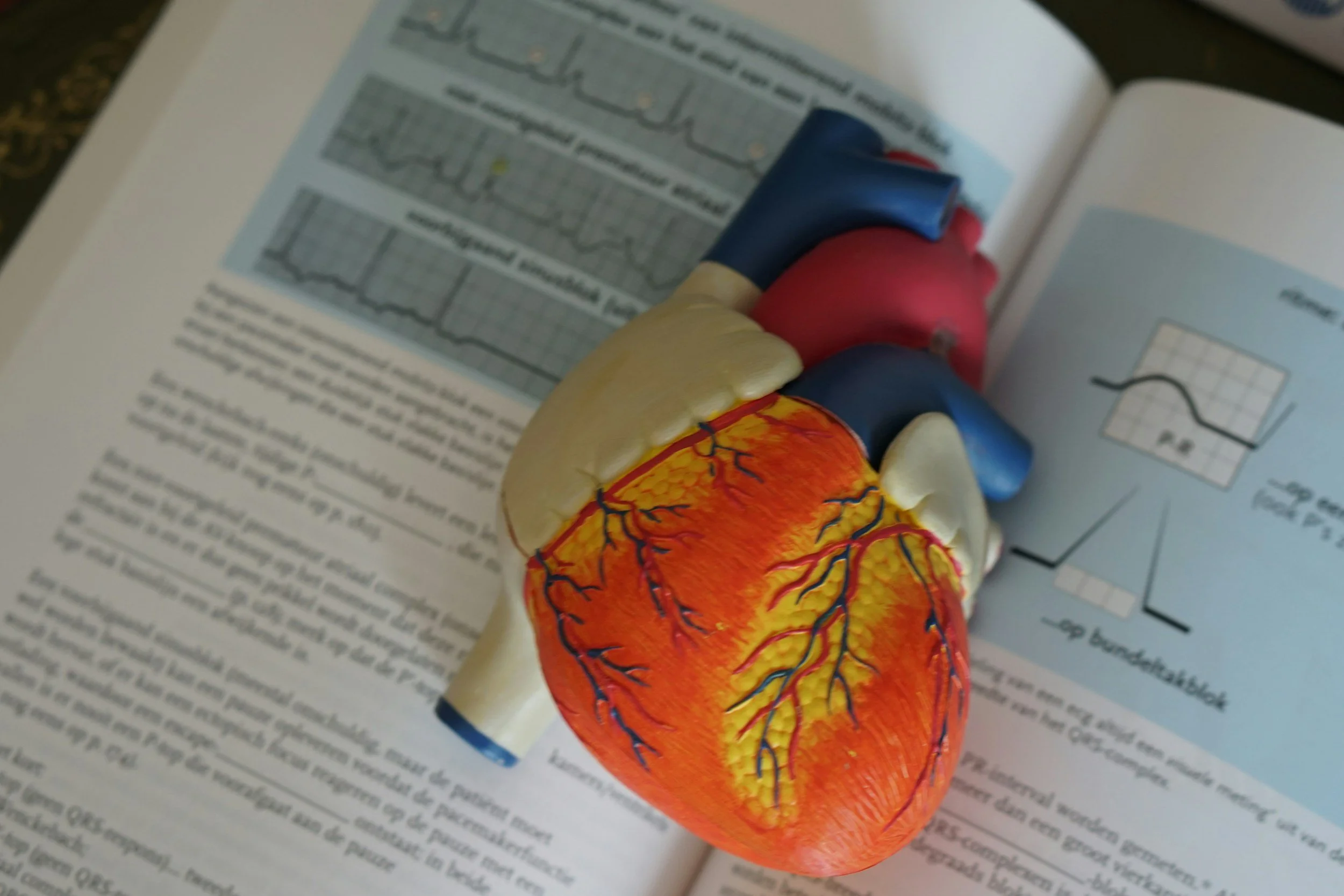
Preventing heart disease starts now.
Waiting until age 50 or 60 to worry about cardiovascular health is a serious mistake. While most people start to face the effects of cardiovascular disease around that age, the process actually begins in our teens and twenties.
We now recognize that many factors can speed up the formation of plaque inside our arteries. While most routine medical methods focus on basics like LDL-cholesterol and blood pressure, we explore much further through advanced diagnostic tests for lipids, inflammation, and insulin resistance. Plus, we use direct measurements of existing plaque instead of guessing.
Using your data, we give you the big picture—what is your risk of a heart attack in 10-30 years? And, more importantly, how to optimize your lifestyle, supplements, and medications to reduce that threat.
CardioGuard Program Details

-
We start everyone with a comprehensive set of screening tests, including:
Body measurements
Blood pressure, height, weight, abdominal circumference (done by nurse in clinic)
Optional: Body Composition Test = $49
Cardiometabolic Labs
Advanced insights into lipids, inflammatory markers, and metabolic drivers that contribute to atherosclerosis. Learn more.
Panel options: Basic, Expanded, or Advanced. Learn more.
Risk Score
10-year and 30-year cardiovascular risk (heart attack) using the Predicting Risk of Cardiovascular Disease Events (PREVENT) calculator
Metabolic Syndrome (insulin resistance) severity.
Pricing based on lab panel choose:
Basic Panel = $149
Expanded Panel = $259
Advanced Panel = $399
This assessment does not include a consultation with a physician, management of any associated conditions, or prescriptions.
-
Our 45-minute physician consultation will help you understand your test results and risks. We will discuss lifestyle factors and provide recommendations on supplements.
A consultation is required to order and review any imaging studies, such as CAC (coronary calcium).
This visit does NOT include prescribing of Rx medications for heart health or any related issue.
Price = $129
-
Ultimately, cardiovascular disease is the result of atherosclerosis or the “plaque build-up within the arteries”. This can occur anywhere, but coronary plaque leads to a heart attack, whereas neck and cerebral (brain) plaque lead to a stroke. There are several approaches to measure current levels of plaque, including:
Coronary Artery Calcium (CAC) Scan = $50-100 (various facilities)
Carotid Intima-Media Thickness (CIMT)
$200 (neck and leg, required first-time scan)
$125 (neck only, follow-up only)
Performed in Overland Park, KS
Coronary Computed Tomography Angiography (CCTA) = $495
Performed in Kansas City, MO.
Optional: Cleerly AI in-depth plaque analysis = $750
The above imaging is performed at facilities outside the Kansas City area. The associated costs are paid directly to the facility or through third-party booking services.
A consultation is required to order and review any imaging.
-
After an initial consultation, we offer a membership program to manage any medications related to cardiometabolic diseases or risk. These include blood pressure, high cholesterol, and Type-2 (non-insulin dependent) Diabetes. Prescriptions can be sent to a pharmacy or obtained from our discount medication program.
Price = $49/mo
EXCLUSIONS: No other medical issues, acute or chronic, will be covered in this program. As such, it will not address active symptoms. This service should not be considered primary care or a substitute for preventive care.
Individual Lab Tests
Lipids/Cholesterol

-
The “good” type of cholesterol helps clear away plaque from blood vessel walls. There are some strong genetic influences of HDL in some people but a higher level is ideal.
Included in all panels.
-
A binding protein found on “bad” cholesterol types that promotes plaque formation in blood vessel walls (atherosclerosis).
Included in all panels.
-
Lipoprotein (a), or Lp(a), is a molecule that is associated with an increased risk of cardiovascular disease. This marker is strongly genetic and cannot be improved much through lifestyle changes.
Included in Expanded & Advanced Panels.
-
Apo A-1 is the main protein content of HDL. Decreased levels correlate with increased risk of coronary artery disease (CAD), and is a better measure of “good cholesterol” than HDL alone.
Included in Expanded & Advanced Panels.
-
This NMR LipoProfile measures the number and full spectrum of lipid particle by size. The smallest LDLs are most associated with plaque formation so reported as the most important metric.
Included in Advanced Panel.
Inflammation

-
High Sensitivity C-Reactive Protein (hs-CRP) is an inflammatory marker that signifies increased cardiovascular risk. Very high levels (> 10) can also be seen with numerous problems (e.g. infection).
Included in all panels.
-
Fibrinogen is elevated with various type of inflammation. Persistently elevated levels are associated with an increased risk of atherosclerosis.
Included in Expanded & Advanced Panels. -
Homocysteine can be elevated for a number of reasons, including deficiency in B-vitamins or folate. It is an independent risk factor for the development of cardiovascular disease.
Included in Expanded & Advanced Panels.
-
Oxidized low density lipoproteins (oxidized LDL) is now considered to be a key event in the biological process that initiates and accelerates the development of the early atherosclerotic lesion, the fatty streak.
Included in Advanced Panel.
Metabolic / Insulin Resistance

-
Aka. “blood sugar”, glucose is the primary source of energy for your body. Elevated levels in a fasted state can signify diabetes or risk of diabetes in the future.
Included in all panels. -
A high level of fasting insulin is an indicator of insulin resistance; occurring well before a rise in blood sugars (type 2 diabetes). Lower levels are associated with less risk of cardiovascular disease.
Included in all panels.
-
An estimation of average blood sugar over the past 120 days. A diagnosis of diabetes is made at 6.5, but higher than 5.6 is a risk for developing diabetes - often called “pre-diabetes”.
Included in all panels.
-
The fat particles that transport cholesterol. High levels often coincide with obesity and insulin resistance, especially when combined with low HDL.
Included in all panels.
-
Alanine Aminotransferase (ALT) is a liver enzyme. Higher levels are associated with injury or inflammation; most commonly “fatty liver disease”, often found with metabolic syndrome.
Included in all panels.
-
High uric acid is associated with a number of chronic disease states, including cardiometabolic diseases. High levels are associated with gouty arthritis but are not sufficient to make a diagnosis.
Included in all panels.
-
After ingesting carbohydrates (75g of glucose here) your blood glucose and insulin levels will naturally rise for at least 30-60 minutes, before lowering. Elevated glucose or insulin levels at 1-3 hours (a delayed peak) suggests insulin resistance or metabolic syndrome.
1-hour post-prandial Glucose & Insulin included in Expanded panel.
Modified Kraft Protocol (1 & 2-hour post-prandial Glucose & Insulin) included in Advanced panel.
-
Aka. “CGM”. This tiny sensor placed on the skin measures your blood sugar every 1-3 minutes 24/7 (continuously) for 14-15 days. The data is pushed to your smartphone (iPhone or Android).
Included in Advanced Panel
Cardiometabolic Lab Panels
Basic Panel
Lipids: HDL, Apolipoprotein B
Inflammation: hs-CRP
Metabolic: Glucose (fasting), Insulin (fasting), Hemoglobin A1c, Uric Acid, ALT
Blood: Hemoglobin
$149*
Expanded Panel
Basic Biomarker panel, PLUS…
Lipids: Apolipoprotein (A), Lp (a)
Inflammation: Fibrinogen, Homocysteine
Metabolic: 1-hour* post-prandial (oral glucose) Insulin & Glucose
$259*
Advanced Panel
Basic & Expanded Biomarker panels, PLUS…
Lipids: NMR LipoProfile (Particle Size)
Inflammation: oxLDL
Metabolic: Modified Kraft Protocol = 1 & 2-hour* post-prandial (oral glucose) Insulin & Glucose, Continous Glucose Montior (1 sensor = 2 weeks)
$399*
*Included in CardioGuard package which includes body measurments & calculation of overall risk